
America’s Army rewired itself in 2025 with border support missions, global exercises, and a modernization push as commanders prepare for broader challenges in a constantly evolving world. That was highlighted by a sizable recruiting uptick.
The Army marked its 250th birthday this year and hit its active-duty 61,000-member recruiting goal with weeks to spare, the latter of which service leaders described as a turning point after years of shortfalls. Officials pointed to new prep programs, bonuses and marketing efforts as some reasons for the drastic reversal.
The Army reached its active-duty recruiting goal months early, signing contracts with more than 61,000 future soldiers. Leaders cast the milestone as proof that revamped recruiting teams, pre-boot camp prep courses, and a sharper focus on career benefits could reverse a widely watched slump in accessions.

By January, the service had already locked in roughly half its target for the year—a pace that signaled a break from the previous cycle of missed goals and emergency fixes. By April, the Army reported it had reached about 85 percent of its annual target with months left in Fiscal Year 2025, reinforcing the sense that new strategies were landing with prospective recruits.
Internal data shows the gains may come with a warning label. Nearly one quarter of soldiers recruited since 2022 have not made it through their first two years in uniform, providing a reminder that front-end recruiting success can still result in early attrition as some troops struggle with training, family strain, or civilian opportunities pulling them back out of the ranks.
Broader personnel issues remain part of the picture. Health care, housing, permanent change-of-station moves, childcare and spouse employment rank among the top concerns for Army families, with those aspects shaping decisions about whether to stay in service or leave after an initial enlistment. Surveys of military families show that only about one-third of active-duty households would recommend service to their own children, further underscoring how pay, stability and support programs weigh on long-term trust.
Prepping For The Present
Army messaging has described the year 2025 as a period of adaptation, as personnel initiatives and alignment have been directly correlated to readiness and soldier experience. Modernization and quality of life appear as recurring themes as leaders push the force to be ready for high-end conflict with peer adversaries. Transformation is framed as an ongoing effort rather than a completed program.
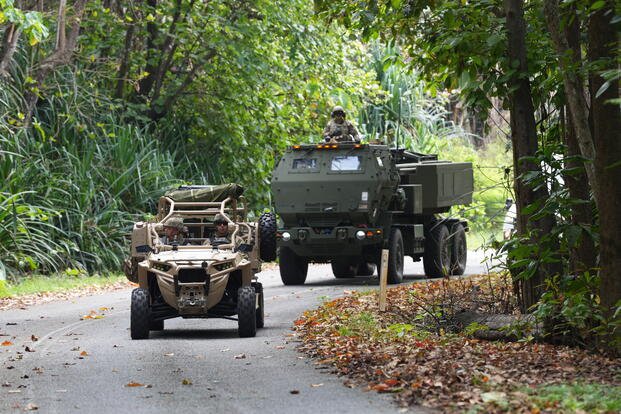
Exercises such as Talisman Sabre brought together about 35,000 troops from 19 nations for high-intensity warfighting drills in Australia, including long-range fires and complex joint maneuvers that are likely to draw the attention of Chinese planners watching how U.S. ground forces integrate with allies in the Pacific.
Reserve formations saw their own tests at stateside events such as Mojave Falcon, where aviation, sustainment and maneuver units trained for large-scale combat operations.
Artificial intelligence and data tools are influencing targeting and decision timelines as new systems pull information from satellites, aircraft and drones. It has forced officials across the board to remain vigilant, picking out patterns and prioritizing faster moving threats in crowded information environments.
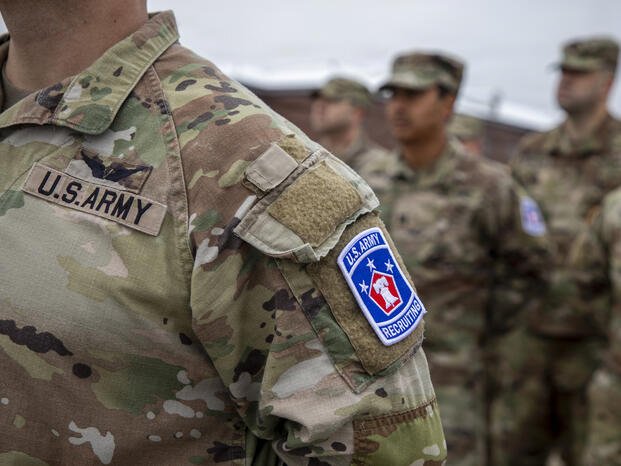
Soldier readiness and experience was a central Army theme in 2025. Multinational exercises and various modernization efforts are treated as overlapping efforts to keep the force prepared for crises in Europe, the Middle East, the Pacific and beyond.
Aspects like recruiting requires sustained resources to thrive beyond one strong year. Modernization plans depend on supply chains that can deliver new systems at scale while keeping older platforms serviceable.
Mission expansion hinges on clear authorities and oversight so commanders understand where domestic support ends and warfighting commitments begin.