


A Decision to Act
While veteran suicide rates and mental health issues continue to be a major problem across the U.S., officials in Alabama are stepping up to do something about it.
The Veterans Mental Health Steering Committee will provide grants valued at more than $3 million to five programs in the state to offer mental health care for veterans.
These organizations plan to give referrals for treatment to outpatient clinics for veterans struggling with substance abuse, along with both in-person and telehealth therapy, and PTSD treatment.
Alabama Department of Mental Health Commissioner Kimberly Boswell said the grants help organizations fill a gap in veteran health care. Boswell serves as chair of the steering committee.
“A lot of individuals do not necessarily want to come to a mental health center, do not necessarily want to go to the federal Veterans Administration programs, and so they are really filling in a gap between those services where they can go to an independent, private provider to get services,” Boswell told the Alabama Reflector.
Organizations receiving grant funding include AltaPointe, a program in Mobile that delivers referrals for treatment, crisis care, preventive services, and education.
The Shoulder, a facility in Daphne helping veterans with residential substance use treatment and preventive services, will also receive grants. The Shoulder works to provide care for veterans battling addiction in rural areas and those who have fallen into legal issues.

Suicide Numbers High
Based on a 2025 study, almost 18 veterans die from suicide every day. High numbers, indeed, but Alabama’s suicide rate is higher than the national average.
According to the Reflector, about 35.4 veterans out of 100,000 took their own lives in 2021, which was also higher than Alabama’s general population rate.
Studies show veterans in Alabama also have a higher rate of TBI (traumatic brain injury), which can trigger additional mental health problems. Also, like many other states, Alabama veterans increasingly have more substance use challenges and mental illness than non-veterans.
Alabama’s health department received money for the grants through a national opioid drug settlement, and grant applications were evaluated before recipients were chosen.
Concerned with studies showing Alabama’s high veteran suicide rate, the state developed a comprehensive plan to address the issue, and the Alabama government designated $3 million for pilot programs.
Resource Center Builds Services
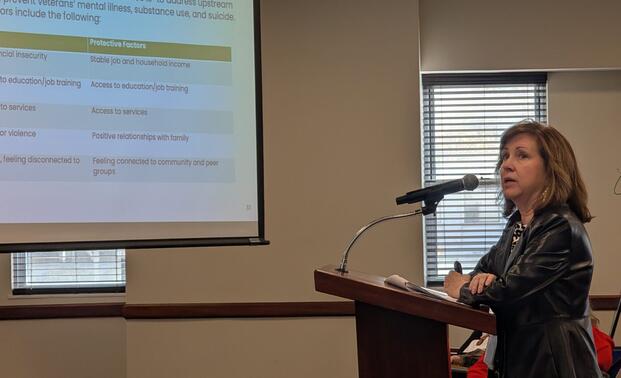
Earlier this year, the Alabama Legislature passed bill SB70 to form the state’s Veterans Resource Center. The five programs receiving grants will help the resource center by providing information on other organizations that veterans can go to for assistance.
In addition to mental health services, the resource center, which is slated to open in January in Montgomery, will offer career-building support, including counseling, job placement, education and career training courses.
Alabama Commissioner of Veterans Affairs Jeffrey Newton said the whole idea of the resource center is to help the state’s veterans with the transition from the military to civilian life.
“When they walk into this veterans resource center, it is going to be a one-stop shop, so whatever they need to help them with the transition, including their family members, we are there to help them,” Newton said.
Another goal of the center is to be a statewide hub and advocate for veterans so they can better connect to a wide range of services, from mental health to education and career training.





")